We killed them.
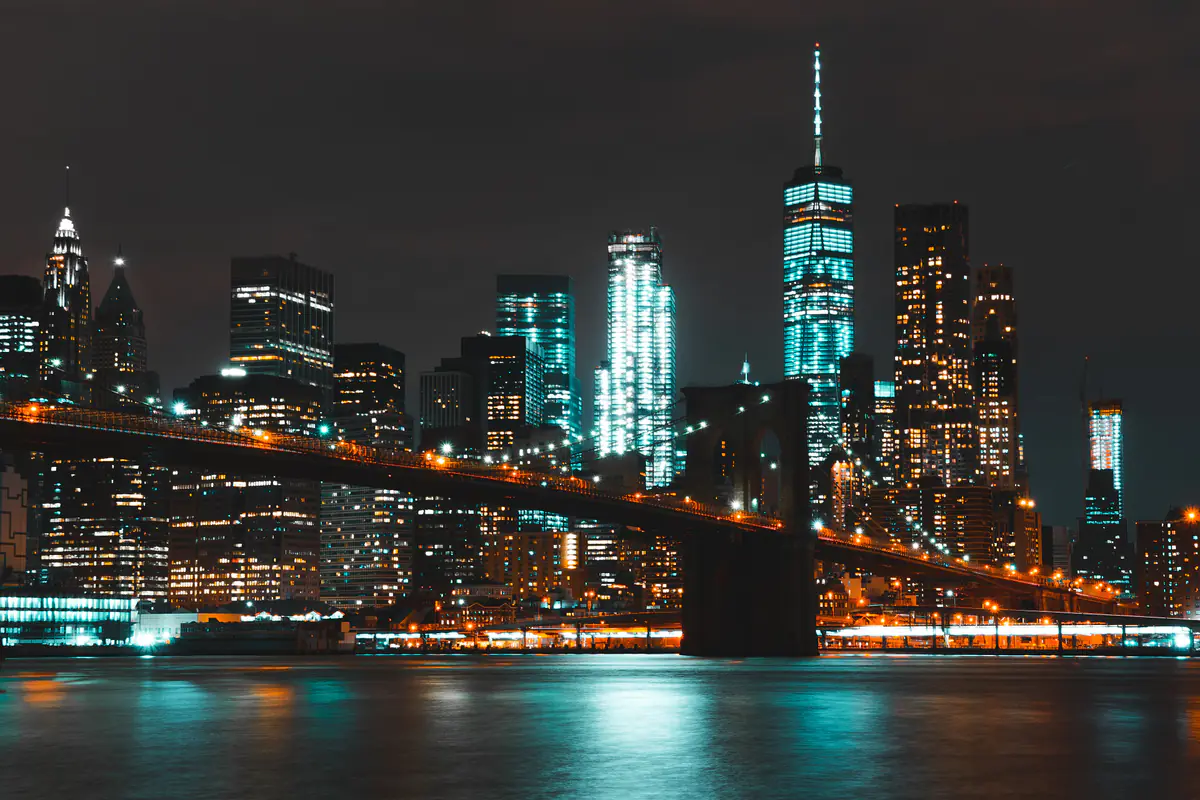
New York got cleaner, smarter, sealed. The old stories about rats owning subway platforms sound like fairy tales. Every report says the same thing: problem solved, population eliminated. Every report is wrong.
The city that stopped looking
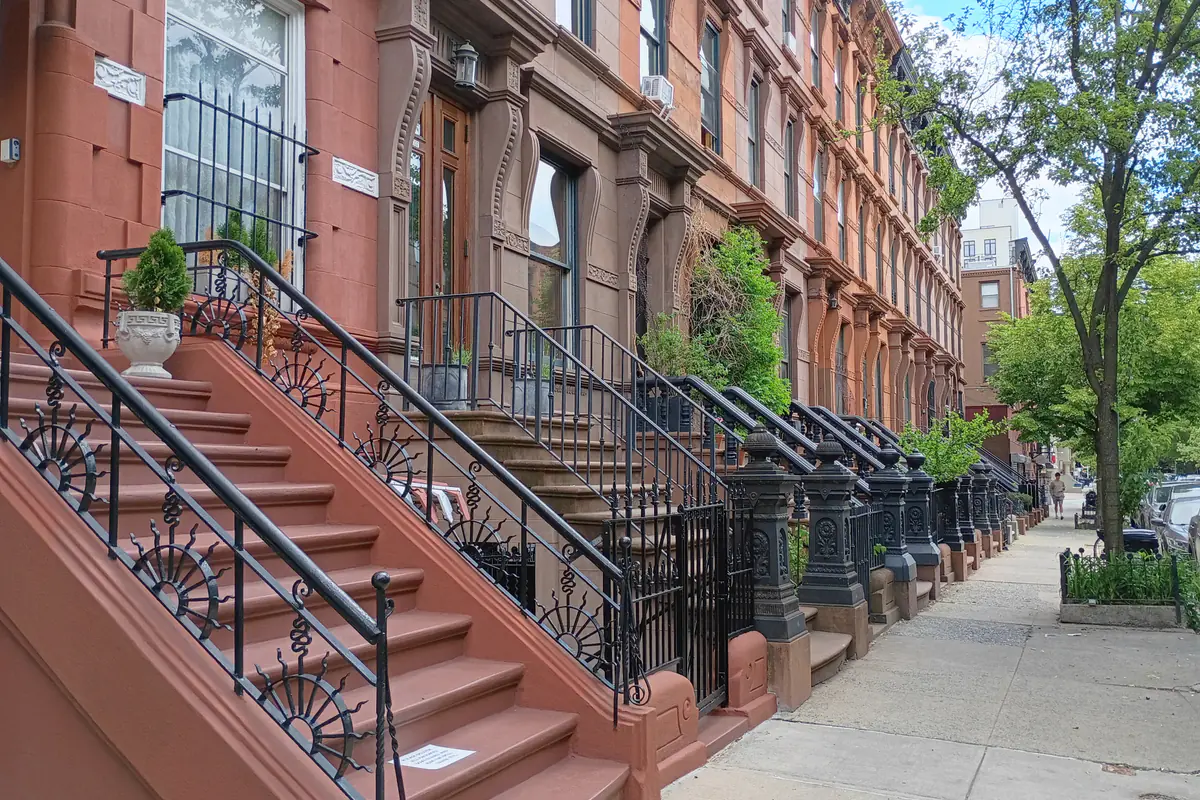
It began under the Mamdani administration: sealed trash, cleared habitats, monitored parks. The sanitation campaign actually worked. In the decades that followed, rat mitigation hardened into pest management, then species reduction, and New York grew up believing the old animal populations were gone for good. Nobody watched the survivors slip into the places the cleanup never reached: abandoned tunnels, utility corridors, waterways, sealed buildings, forgotten industrial space.
The serum that missed
The mandate kept tightening, and EngineX was hired to finish the job with a lethal eradication treatment for whatever the city still harbored. A stabilizing compound in the formula was calculated wrong. Instead of simply destroying targeted tissue, it carried a hidden, gene-altering effect nobody designed, nobody approved, nobody detected. The reports said exposure meant eradication. Across generations, the survivors told a different story.
Nobody designed it to evolve animals. Nobody approved it as genetic engineering.
The one who saved them
Dr. Vale discovered that some of the "deceased" were not dead. They had slipped into a dormant, coma-like state. She changed the program so affected animals could stay that way rather than complete the lethal process. Saving them was deliberate. The gene-altering effect already inside them was not. She preserved lives she could not fully undo.
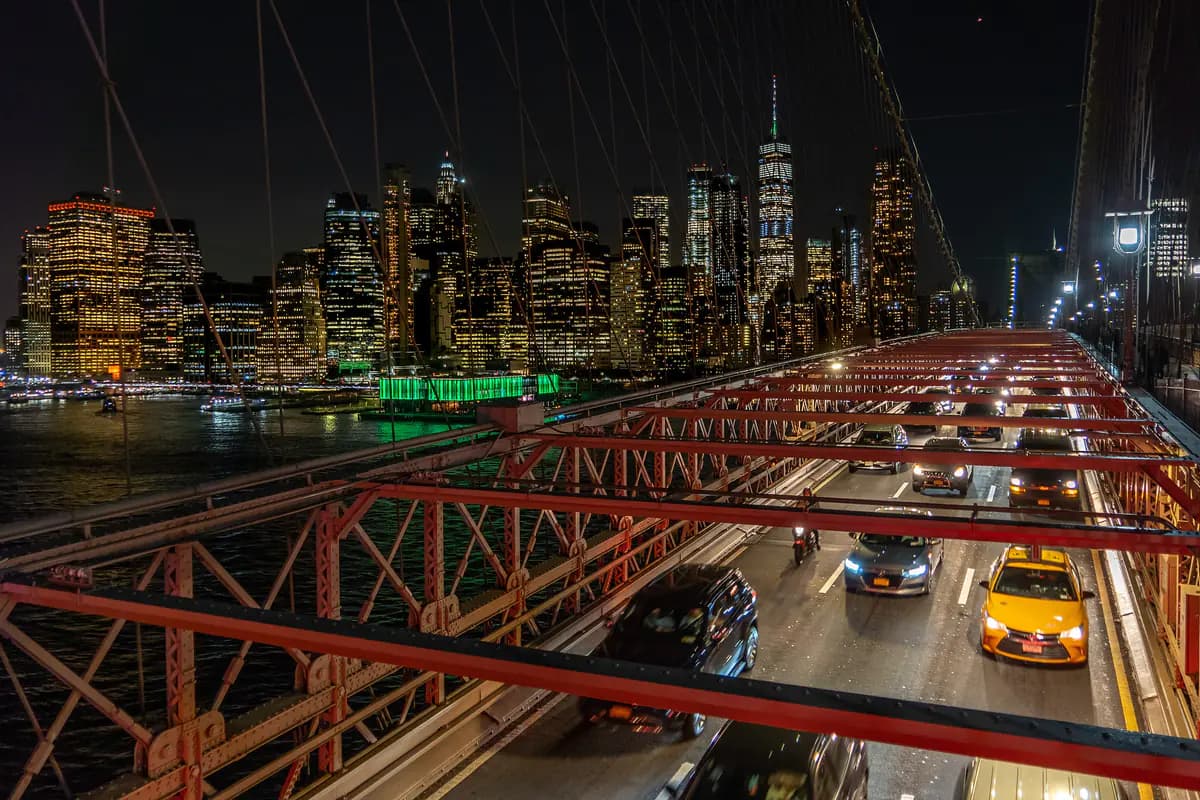
Declared gone, decades ago
Treatment zones were declared successes. Specimens were catalogued as deceased. Reports closed, contracts completed, the era filed as an extinction. Meanwhile the survivors went dark: some dormant for years, others relocating deeper into the hidden city. What New York called an ending was, for them, the start of adaptation.
New York became the pressure
The serum created survival. The decades after created evolution. Underground and overhead, the city itself became the environment, and different habitats raised different lineages.
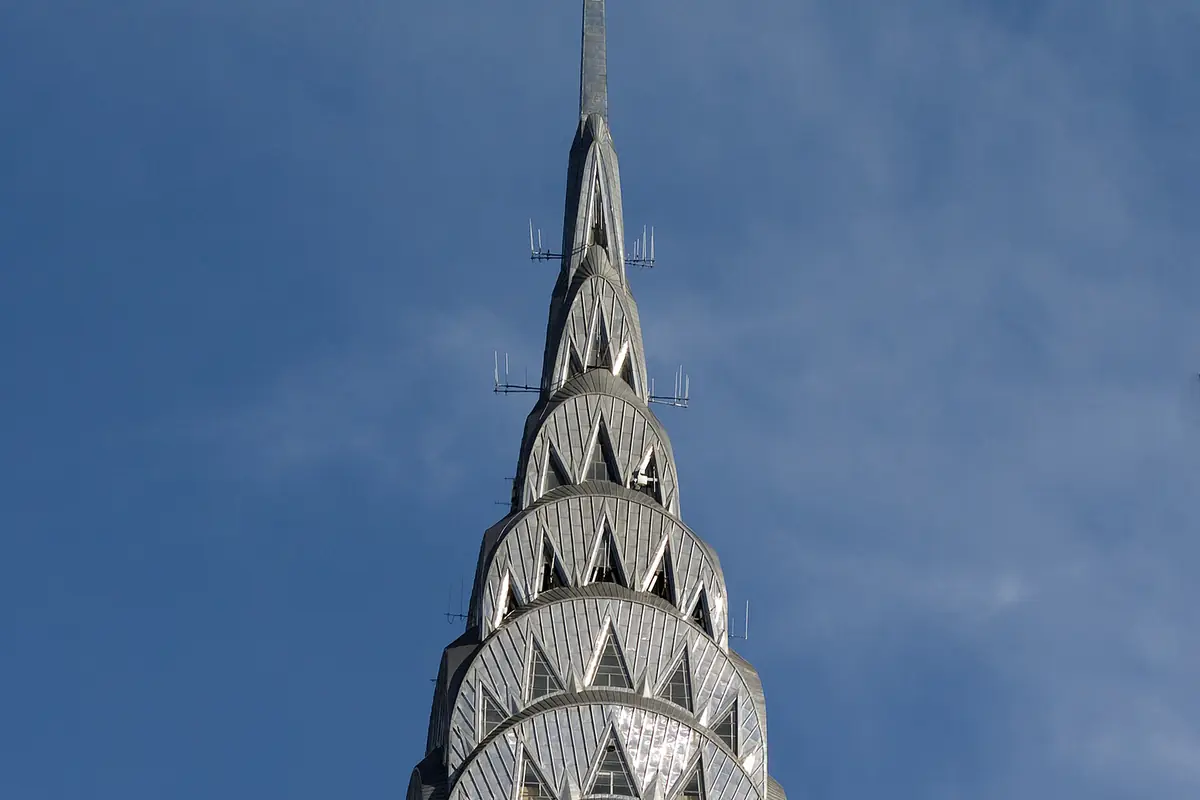
Subway & tunnel
Heat, vibration, metal and transit rhythms produced the underground specialists.
Parks
Seasons, vegetation and wildlife competition shaped their own forms.
Waterfront
Tides, salinity and restored waterways built aquatic descendants.
Rooftops
Wind, vertical travel and drone traffic shaped aerial populations.
The built world
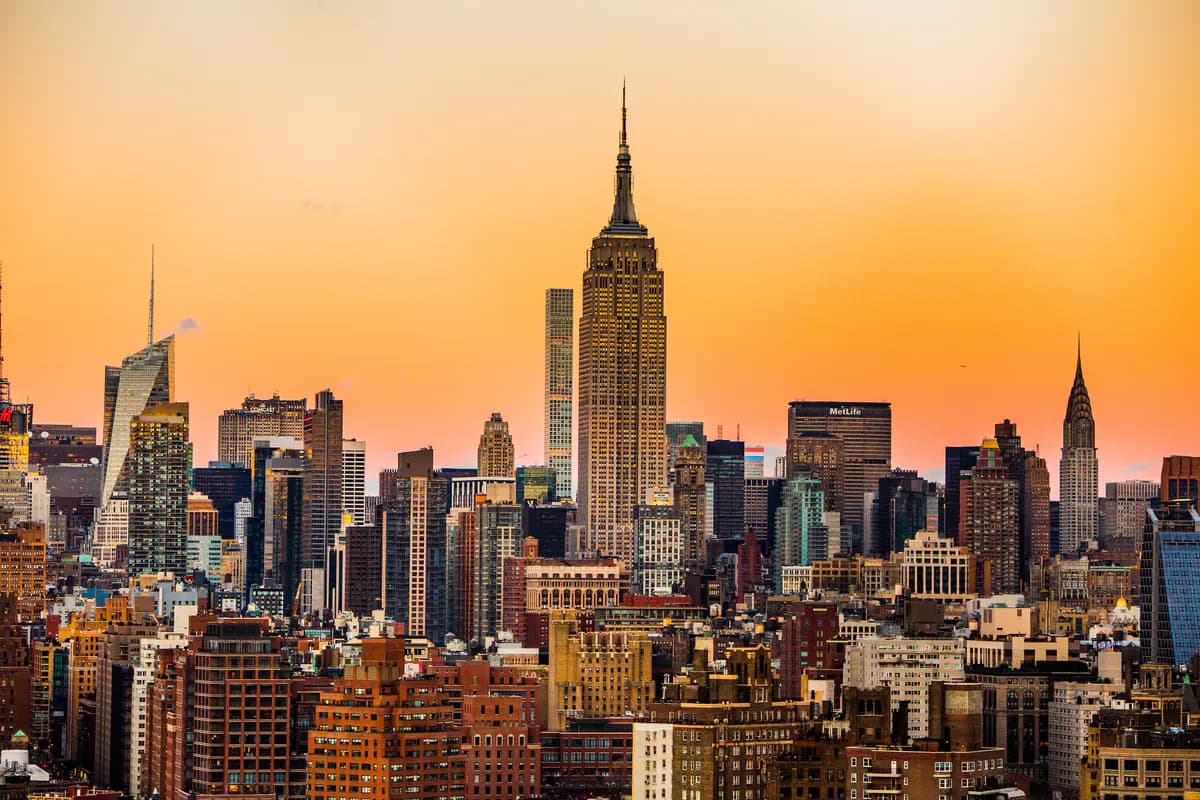
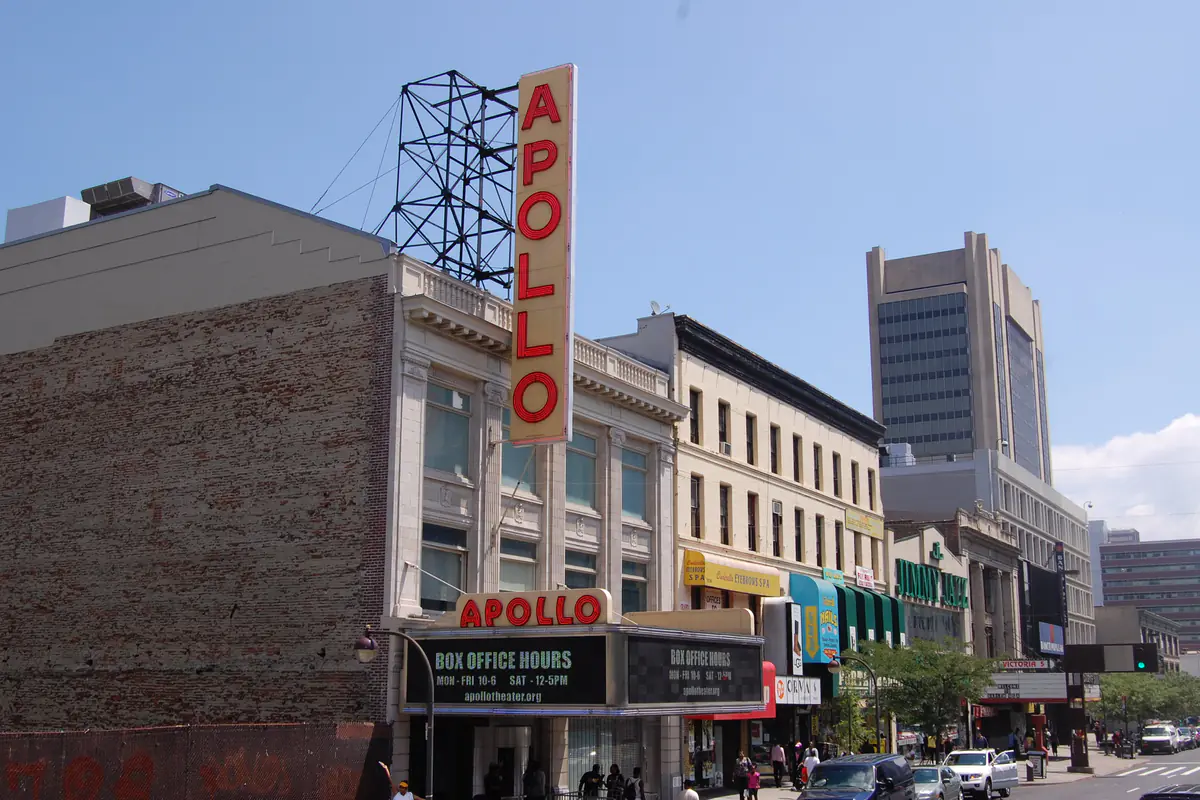
Bodegas, housing blocks and human food systems raised the most streetwise of all.
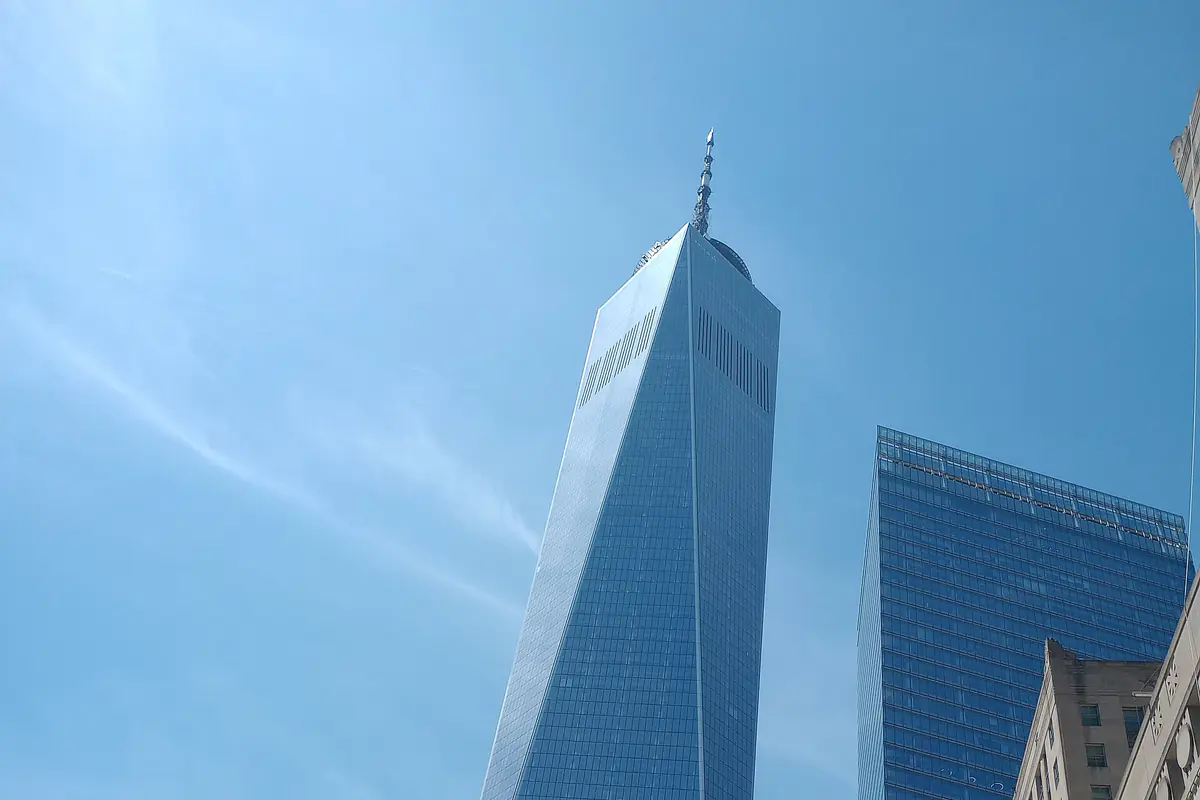
They came back.
Decades after the last official sighting, the first modern Mons surfaced in fragments: a strange Ratti near the subway, a speaking creature by a bodega, a winged insectoid on a rooftop, something moving through an old tunnel on security footage. Recordings were dismissed as deepfakes. Then the encounters kept coming.
Mons are descendants, New York’s hidden children, a new branch of living urban life.
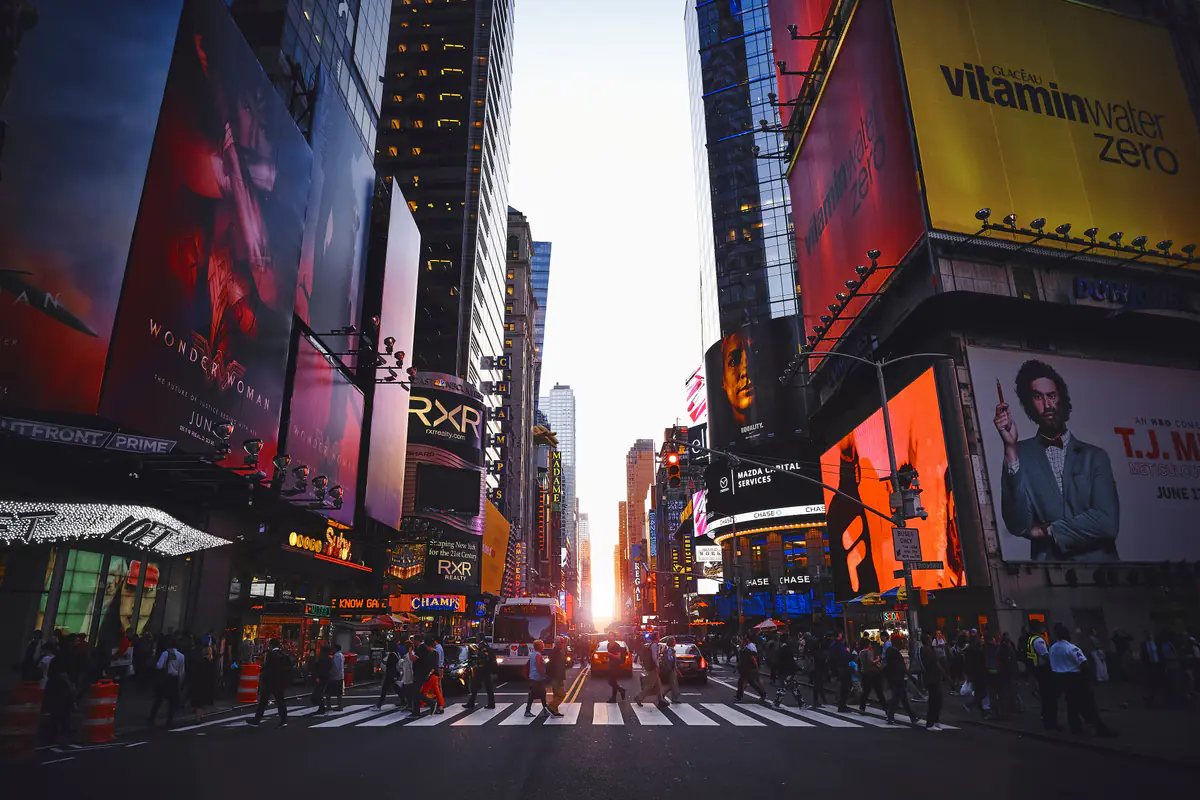
Three eras of one company
Era I: Eradication
Remove the problem.
Era II: Suppression
Hide the failure.
Era III: Monetization
Control the future.
H-Lynk technology, Mon research, controlled habitats and corporate sponsorship are the corporate descendants of the eradication program. EngineX argues that creating the conditions means owning the outcome. The Mons and the Callers who partner with them disagree.
A Caller is a partner, never an owner.
Every block has a legend.
You just learned where the legends came from.